Design Technology,mastered.
Equip teachers, engage students, and prepare every class for the exam and the real world.
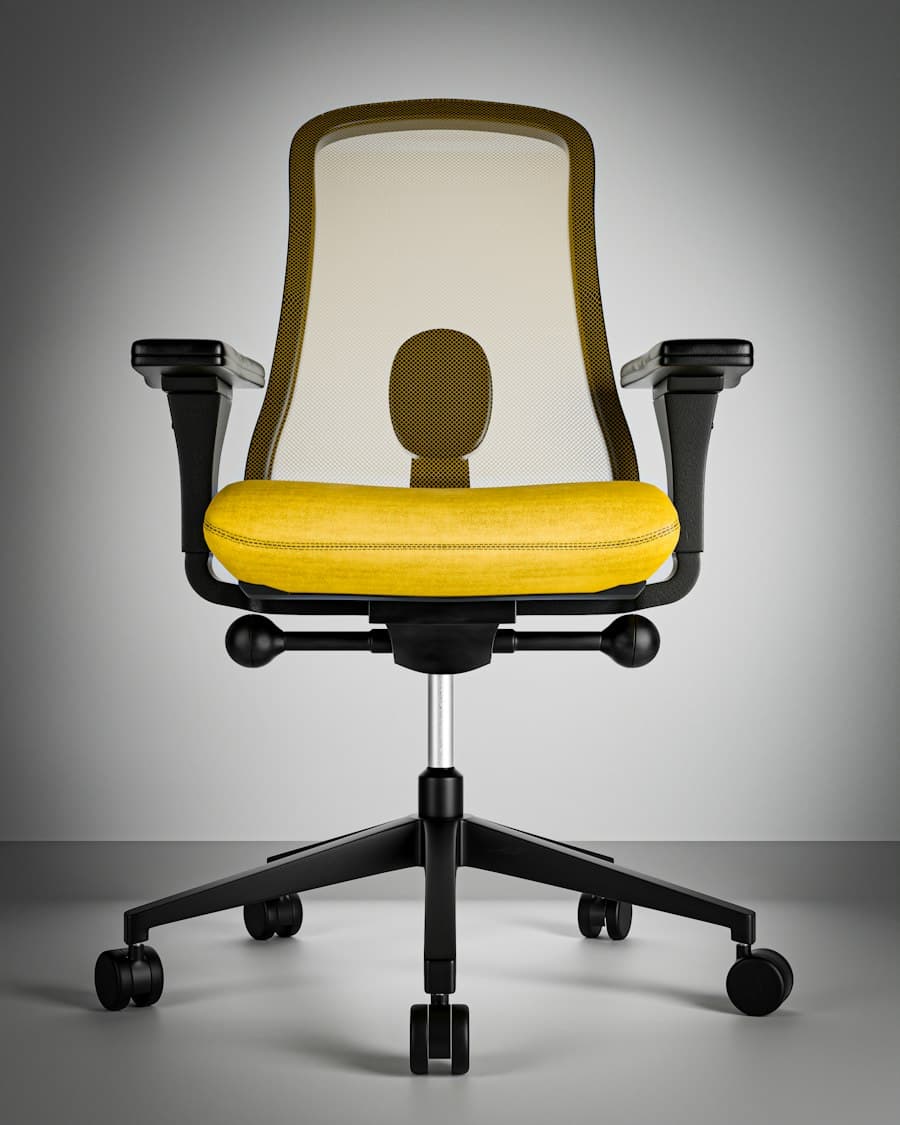
Ergonomics
Design in theory · People
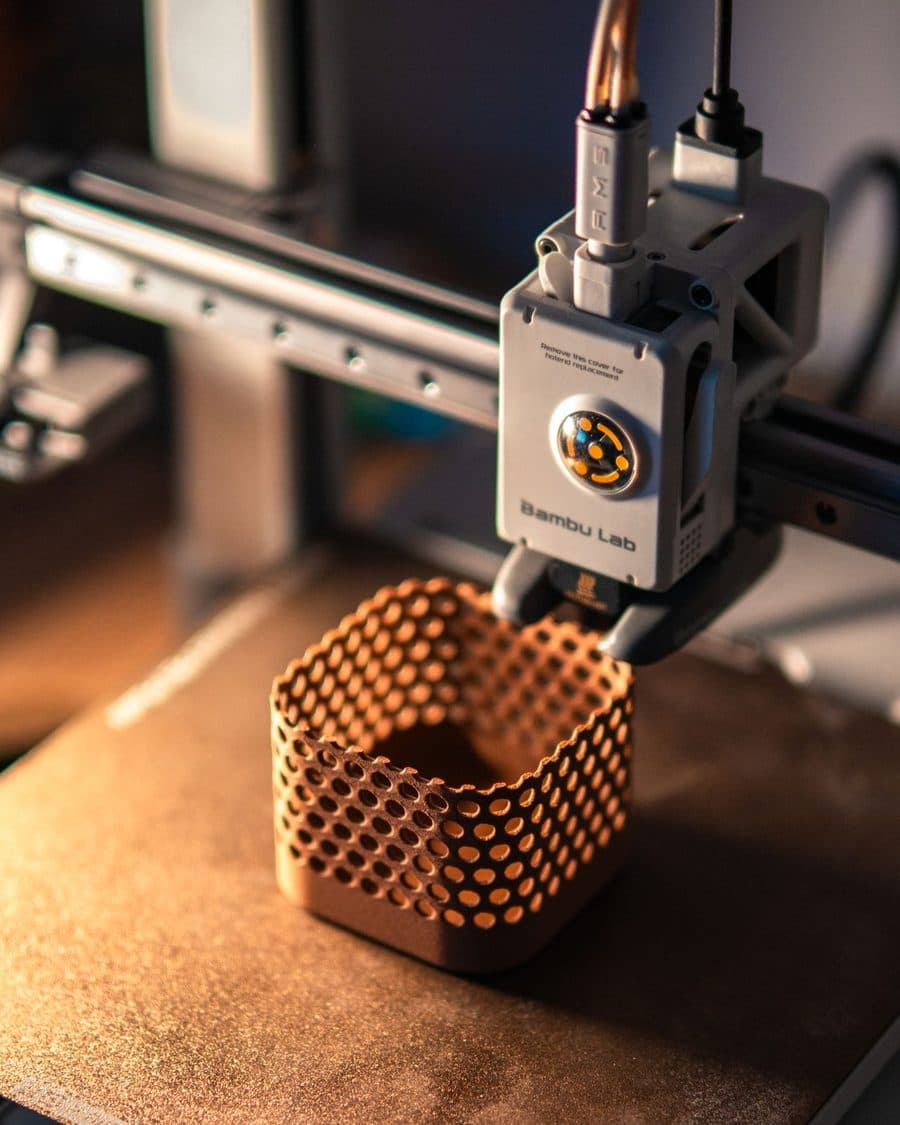
Modelling and Prototyping
Design in practice · Process
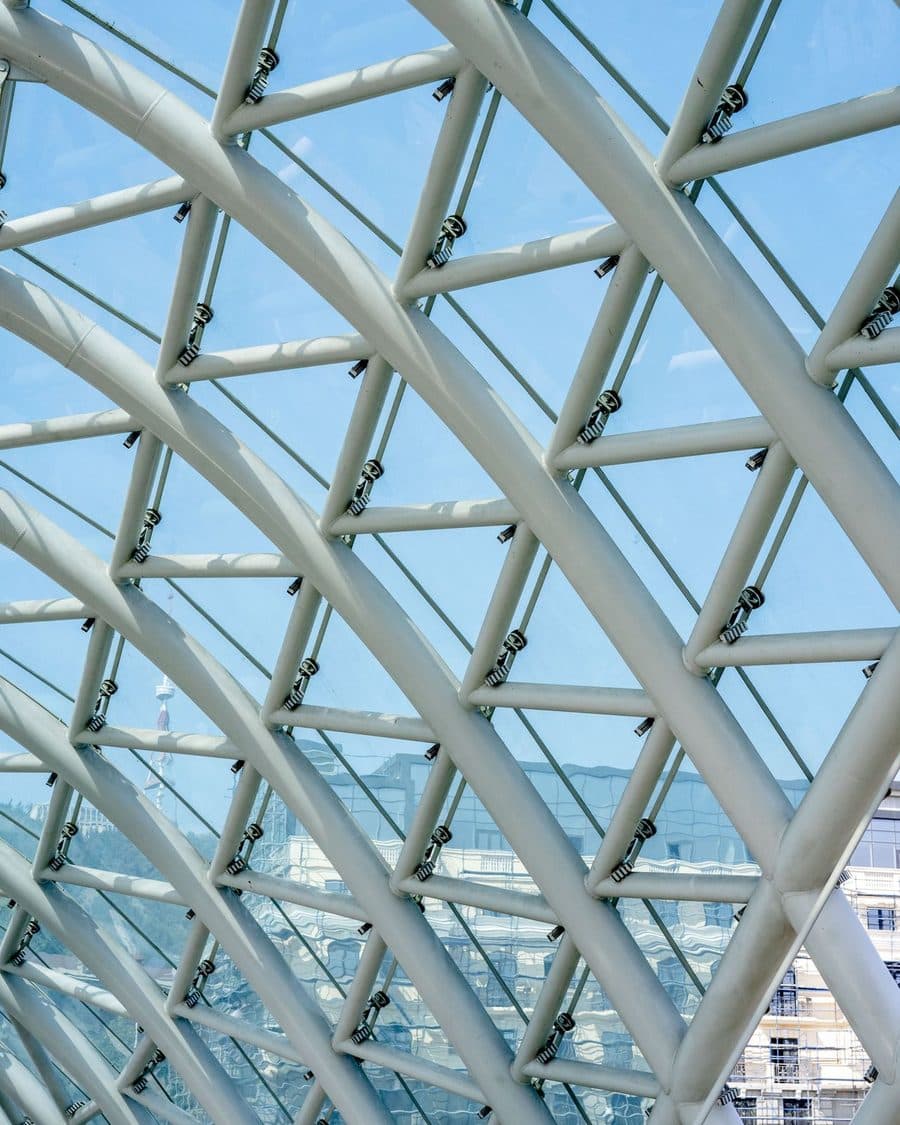
Structural Systems
Design in theory · Product
In classrooms at


The course
Design in theory, in practice and in context.
Every topic of the 2027 guide on one map. Each unit of inquiry draws on topics from all three themes, and DTverse keeps the whole course in view.
- Topics
- 24
- Subtopics
- 161
The course map: 24 topics in three themes, across people, process, product and production.
- Unit of inquiry Little hands, big kitchens draws on topics A1.1, A2.1, A3.1, A3.2, B1.1, B2.2, B3.1, B3.2, C1.1, C1.2.
- Unit of inquiry The meaning and materiality of colour draws on topics A1.1, A2.1, A3.1, B1.1, B2.1, B2.2, B3.1, C1.2, C2.1, C3.1.
- Unit of inquiry Emergency shelters for disaster relief draws on topics A3.2, A3.3, B3.2, B3.3, B4.1, C4.1.
For students
The whole course, in one place.
Each unit is a sequence your teacher plans: study, hands-on investigation and making, case studies, discussion and topic practice. Always one clear next step.
Unit of inquiry: Little hands, big kitchens, for Standard and Higher Level.
- Study: Child anthropometrics vs adult percentile norms
- Investigate: Measuring little hands
- Case analysis: Materials under a child’s misuse
- Discussion: Whose ‘normal’ body sizes the tool?
- Make: Personas at the stove: designing for developmental stages
- Make: Prototype and pressure-test a child kitchen aid
- Peer review: Inclusive or infantilising? Critique protocol
- Activity: Audit our school kitchen for child-friendliness
- Reflection: Journal: risk, responsibility and joy
- Challenge: One rugged lunchbox for every hand at Ranong
- Challenge: A safe vegetable peeler for young children
- Topic practice: Practice: A1.1.1 · A1.1.2 · A1.1.4
- Topic practice: Practice: A3.1.6 · A3.2.4 · A3.2.7 · B3.2.5 (Higher Level only)
Unit of inquiry: The meaning and materiality of colour, for Standard and Higher Level.
- Activity: Hook: does colour ever tell the truth?
- Study: How the eye and brain construct colour
- Investigate: Mapping colour perception across our school
- Study: Pigments, dyes and smart colour-changing materials
- Case analysis: The global dye supply chain and its costs
- Make: Prototype a colour-and-material solution
- Discussion: Weave: whose eyes count as ‘normal’?
- Activity: TOK: does culture or biology choose our colours?
- Peer review: Critique: reviewing the colour prototypes
- Topic practice: Colour, materials and inclusive design
- Reflection: Close: what changed in how I see colour?
Unit of inquiry: Emergency shelters for disaster relief, Higher Level only.
- Discussion: Would you trust this shelter in an earthquake?
- Study: Loads on temporary structures
- Study: Safety factors under crisis conditions
- Investigate: Load-testing a structural module
- Study: Mechanical linkages and folding systems
- Case analysis: Better Shelter vs. field reality
- Make: Prototype a rapid-assembly shelter module
- Peer review: Critique the rapid-assembly module
- Topic practice: Structures, mechanisms and production systems under pressure
- Reflection: What changed in how you weigh engineering trade-offs?
Practice
Practise like the exam. Learn from every answer.
Exam-style questions across the whole course, each with a markscheme that shows exactly where the marks come from.
- Practice questions
- 5K+
- Paper 1, 1 mark, Ergonomics. A desk chair sized for the average user. Why will few users find that it fits them well? Options: A: Its materials are too rigid; B: Few people are average in every dimension; C: The average fits only half of users; D: Most users are above average. A student picked C: Each dimension leaves out about half of users, and not the same half, so the average fits almost no one. The answer is B.
- Paper 2, 3 marks, Electronic systems. Dimming an LED desk lamp. Describe how PWM dims the LED without changing the supply voltage. Markscheme: The LED is switched on and off very rapidly; The duty cycle sets the share of time it is on; Average power falls, so the eye sees it dimmer. A student’s answer missed: Average power falls, so the eye sees it dimmer.
For teachers
Plan the year.
Units of inquiry on your class’s timeline. Every hand-in in one place, with feedback drafted for you to edit and send.
A teacher’s class, Design Technology · Class of 2027.
Plan: Designing for the journey, 24 Aug – 18 Sep; Little hands, big kitchens, 21 Sep – 23 Oct, in progress; The meaning and materiality of colour, 26 Oct – 20 Nov; Emergency shelters for disaster relief, 23 Nov – 18 Dec.
Feedback on Sofia Rossi’s hand-in for Measuring little hands: Explain how your measurements set the handle’s diameter. The answer: We measured twelve children aged 7–8: the 5th-percentile grip was 28 mm. So I sized the handle at 28 mm, not the adult 35 mm. The teacher ticks two marks of three, and sends the feedback: Good use of the 5th percentile to set the diameter. For the third mark, explain why a 28 mm handle still suits larger hands.
Grades, predicted: Amara Okafor (SL) 7; Arjun Mehta (HL) 6; Noah Kim (HL) 5; Omar Benali (SL) 4; Sofia Rossi (SL) 6.
For schools
Every class in view. The whole course, ready.
One place for the department: every class, its teacher and its work. All 24 topics of the 2027 guide, with units and questions ready to teach. Start with one class, and add more when you’re ready.
Request accessA school’s Design Technology department.
Classes: Class of 2027, Ms. Park: 16 students, 14 active this week; Class of 2026, Mr. Alvarez: 14 students, 12 active this week.
Access: 30 of 40 seats used. Invitation only: teachers invite their own students. Principals and coordinators see every class, read-only. Sign-in with school Google accounts. Works alongside your LMS, no integration project.
Design Technology,mastered.
DTverse is by invitation. Tell us who you are, and we’ll set you up.